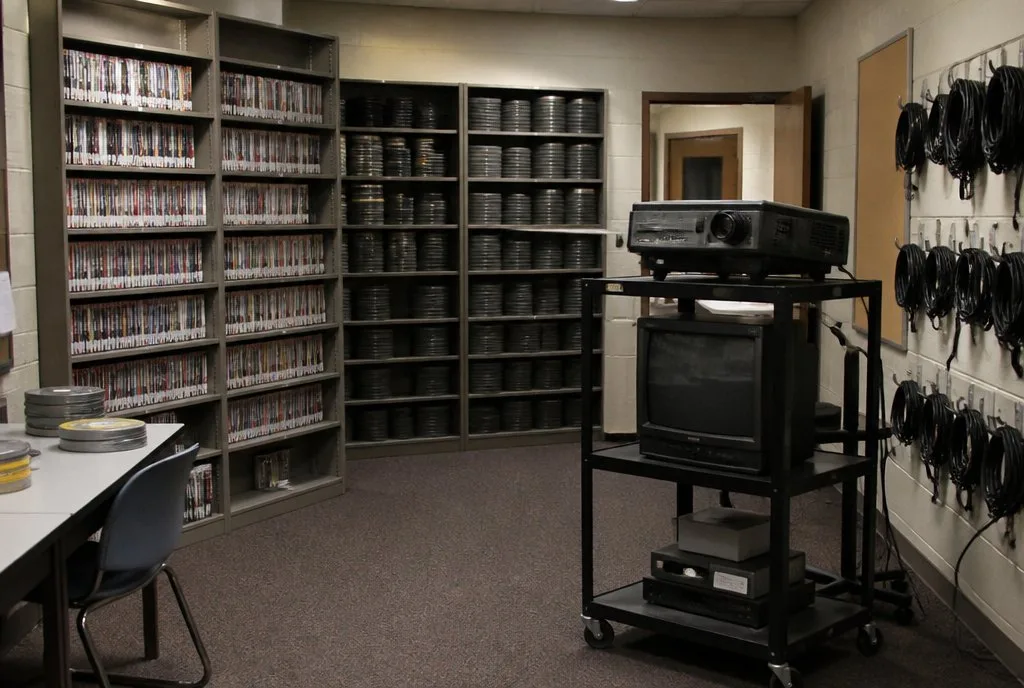
Before search engines were good, school library media specialists did the searching: they kept “weblists” of vetted sites for each curriculum unit, so that a fourth-grade class studying volcanoes or a high-school class on Greek myths did not have to wade through junk. Those lists are gone, but the need is the same, and a small number of sources cover most of what a media center once assembled by hand.
Geology and earth science
The US Geological Survey publishes teaching resources, maps and the earthquake and volcano feeds that students love to watch live. NASA’s Earth Observatory explains satellite images in plain language. For the rock cycle, plate tectonics and fossils, the University of California Museum of Paleontology and the Smithsonian’s National Museum of Natural History have curriculum-aligned pages.
Mythology
Theoi.com is the reference for Greek gods and heroes with primary-source quotations; the Perseus Digital Library at Tufts gives the texts themselves. For Norse, Egyptian and other traditions the World History Encyclopedia (worldhistory.org) is reliably edited and written for students. Wikipedia is fine as a starting point when students are taught to check its sources.
Astronomy
NASA’s main site and the Astronomy Picture of the Day, the European Southern Observatory’s education pages, and the free planetarium software Stellarium, which shows tonight’s sky from any location. Sky & Telescope’s weekly observing column tells a class what to look for.
Women’s history
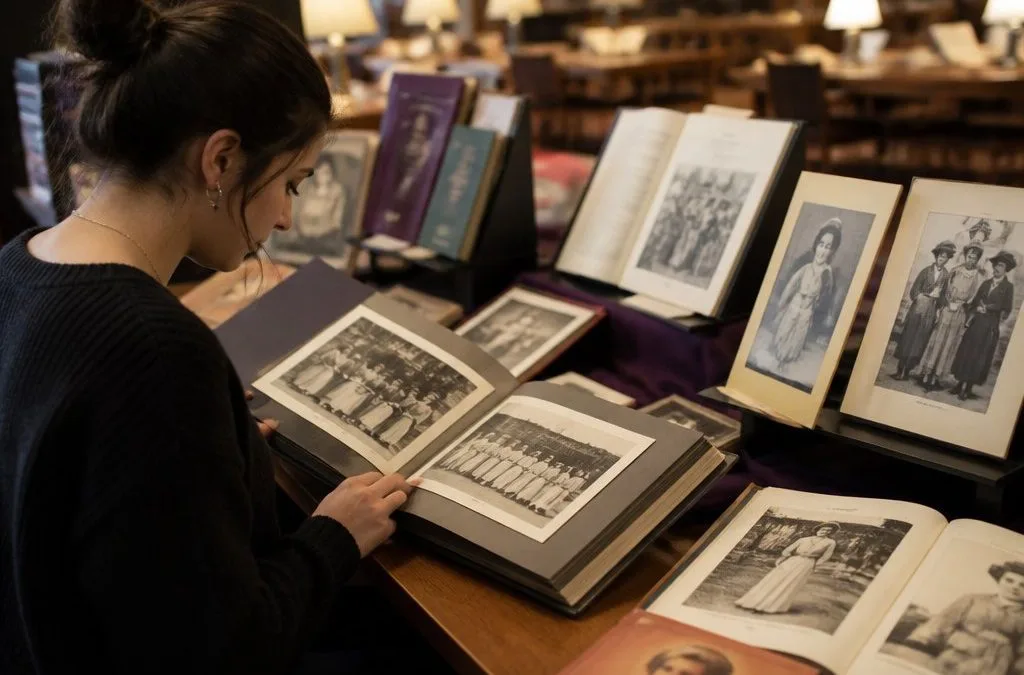
The National Women’s History Museum’s online exhibits and biographies, the Library of Congress’s Women’s History Month portal and the National Archives’ DocsTeach, which lets students work with primary documents. For Black History Month and other heritage months, the Smithsonian’s National Museum of African American History and Culture and the Library of Congress run parallel portals.
Kwanzaa
The official site of Kwanzaa’s founder, Maulana Karenga, explains the seven principles; the Smithsonian and the National Museum of African American History and Culture provide history and classroom context.
A rule of thumb
Government agencies, universities, museums and national libraries are almost always safe; commercial “educational” sites that exist to sell worksheets are not. A media specialist’s real service was never the list but the judgement behind it, and that is still worth asking for.
This site is an independent publication on instructional media.